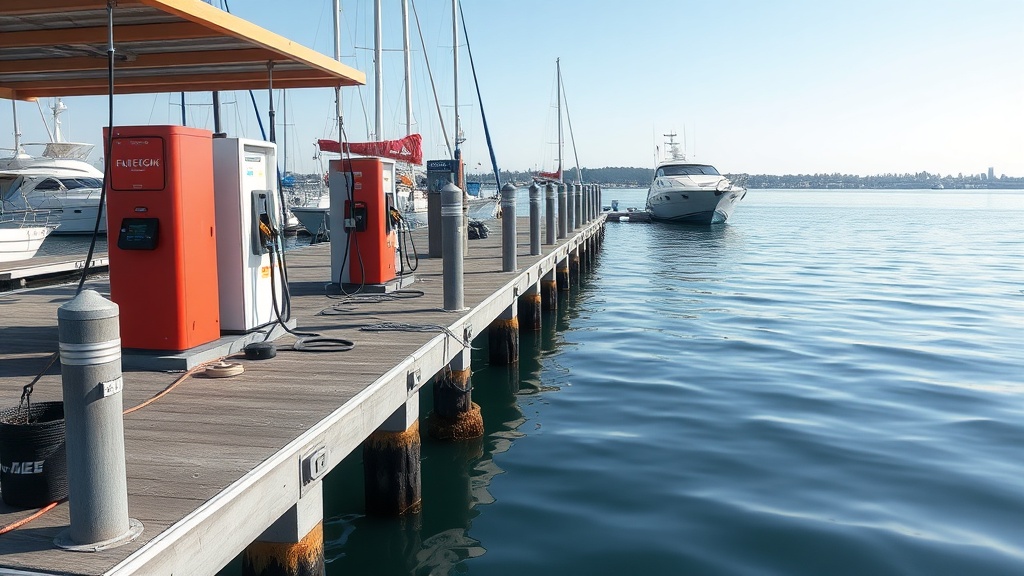
Few things will get a marina operator's attention faster than a rainbow sheen spreading across the water near the fuel dock. Within minutes you may be looking at a reportable spill, a Coast Guard call, an environmental cleanup contractor, and a regulatory file that follows your facility for years. Pollution events are among the most expensive and most poorly insured exposures a marina faces — and most operators discover the gap only after a claim is denied.
This article explains where pollution risk comes from at a marina or fuel dock, why your standard general liability policy almost certainly excludes it, what a dedicated environmental policy covers, and how a solid spill response plan protects both the water and your bottom line.
Where Pollution Risk Comes From at a Marina
Marinas sit at the intersection of fuel, oil, and open water, which makes them inherently high-risk for environmental incidents. The exposure shows up in more places than most operators realize.
Fuel Dock Operations
The fuel dock is the most obvious source. Overfills during fueling, hose and nozzle failures, tank leaks, and customer error all put gasoline or diesel directly into the water. Underground and aboveground storage tanks add another layer — a slow tank or line leak can contaminate soil and groundwater for months before it's discovered.
Bilge Discharge and Oil Sheen
Boats pump bilge water, and bilge water often carries oil and fuel residue. A persistent sheen around your docks can trigger a reportable discharge even when you can't point to a single dramatic spill. As the facility operator, you can be held responsible for discharges occurring at your marina.
Sunken and Abandoned Vessels
A vessel that sinks in a slip doesn't just become a salvage problem — it becomes a pollution problem. Fuel tanks, oil, batteries, and onboard chemicals leach into the water, and the cost of removing the wreck and cleaning up the contamination falls on the marina far more often than operators expect.
Maintenance and Repair Yard Runoff
Boatyards generate bottom paint dust, solvents, used oil, antifreeze, and pressure-wash runoff. Without proper containment, these materials reach storm drains and waterways, creating soil and water contamination claims that can surface years later.
Why Standard General Liability Excludes Pollution
Here is the part that surprises operators: your commercial general liability policy almost certainly will not pay for a pollution event. Since the 1980s, CGL policies have carried a broad absolute pollution exclusion that bars coverage for bodily injury, property damage, and cleanup costs arising from the discharge, dispersal, or escape of pollutants.
That exclusion is deliberately written to sweep in fuel, oil, and the kinds of contaminants a marina handles every day. So when a spill triggers a cleanup demand or a regulatory fine, the general liability carrier denies the claim and points to the pollution exclusion. Operators who assumed their main policy "covered everything" are left facing the full cost alone.
The only reliable way to cover this exposure is a dedicated environmental or marina pollution liability policy.
What Environmental Coverage Provides
A marina pollution or site pollution policy is built to respond to exactly the events the CGL excludes. Depending on how it's structured, it can cover:
- Cleanup and remediation costs for contaminated water, soil, and shoreline
- Third-party bodily injury and property damage from a pollution event
- Emergency spill response and containment costs
- Wreck removal and the pollution cleanup tied to a sunken vessel
- Defense costs for regulatory actions and third-party claims
- Fuel system and storage tank exposures at and around the fuel dock
Because pollution policies vary widely, it's essential to match the form to your operations — a fuel-dock marina, a full-service boatyard, and a dry-stack-only facility have very different needs.
The Real Cost of a Spill
Pollution claims are expensive for reasons that go well beyond the fuel itself. A single event can stack up:
- Emergency containment and absorbent boom deployment
- Licensed environmental cleanup contractors charging premium rates
- Disposal of contaminated water and soil
- Regulatory fines from federal, state, and local agencies
- Natural resource damage assessments
- Legal defense and consultant fees
- Business interruption while operations are restricted
Even a moderate fuel-dock spill can climb into six figures once cleanup, fines, and defense are totaled. A major event involving groundwater or a sunken vessel can run far higher.
Building a Spill Response Plan
Insurance covers the financial loss, but a strong spill response plan reduces both the frequency and the severity of incidents — and underwriters reward it. Good practice includes:
- A written, posted Spill Prevention, Control, and Countermeasure (SPCC) plan where required
- Absorbent booms, pads, and spill kits staged at the fuel dock and ready to deploy
- Trained staff who know the reporting chain and the first five minutes of response
- Automatic shutoff and overfill protection on fuel systems
- Regular inspection and testing of tanks, lines, and dispensers
- Containment and treatment for boatyard wash-down and maintenance runoff
- A clear protocol for reporting discharges to the Coast Guard and state agencies
Documenting these controls not only limits your real-world risk — it strengthens your submission and can earn you better terms at renewal.
Don't Let a Sheen Sink Your Marina
Pollution is one of the largest uninsured exposures at most marinas, precisely because general liability quietly excludes it. If you handle fuel, store boats over water, or run a repair yard, a dedicated environmental policy is not a luxury — it's the coverage that keeps a single spill from becoming a financial catastrophe.
Contractors Choice Agency specializes in marina and fuel-dock environmental coverage and is licensed in all 50 states. Call us at 844-967-5247 or complete our online quote form, and we'll review your pollution exposure and structure coverage that responds when the CGL won't.