A marina's most valuable physical assets sit in the most exposed place imaginable — directly over the water, in the path of every storm that comes ashore. A single hurricane can splinter docks, twist gangways, scatter floating piers, topple dry-stack racks, and damage the boats stored within them, all in a matter of hours. For coastal operators especially, catastrophe risk isn't a tail risk; it's the defining risk of the business.
This article covers how storms threaten your docks and property, how dock and property coverage and named-storm deductibles actually work, the specific exposures of dry-stack buildings and travel lifts, and how a documented hurricane preparedness plan can both protect your facility and lower your premium.
The Storm Exposure to Docks and Piers
Docks, piers, finger floats, gangways, and bulkheads take a beating in heavy weather. Storm surge lifts floating docks off their pilings, wave action shears fixed structures, and wind-driven debris and breakaway vessels turn into battering rams. Because these structures sit over open water with little shelter, even a moderate storm can cause significant damage, and a major hurricane can destroy an entire dock system.
The financial stakes are high. Replacing a full dock system can run into the millions, and the lead time to rebuild means lost slip revenue for an entire season or more. That combination — high replacement cost plus extended business interruption — is what makes catastrophe planning so important for marinas.
How Dock & Property Coverage Works
Dock and property coverage (often written as marine property, pier and wharf, or wharfinger's coverage) insures your over-water and waterfront structures against covered perils including wind, storm, and named-storm events. Getting this coverage right comes down to two things: insuring to the correct value, and understanding your deductible structure.
Insuring to Value
Underinsurance is the most common and most painful dock-coverage mistake. If your docks are insured for far less than what it would actually cost to rebuild them, you'll absorb the shortfall yourself after a total loss — and coinsurance penalties can reduce even partial claims. Document current replacement costs, update values as you upgrade or expand, and revisit them at every renewal.
Named-Storm and Hurricane Deductibles
Catastrophe-prone marinas almost always carry a separate named-storm or hurricane deductible, which works differently from a standard flat deductible. Instead of a fixed dollar amount, the named-storm deductible is usually a percentage of the insured value — commonly 2% to 5% or more — and it applies specifically to damage from a named tropical system.
The practical impact is large. On a dock system insured for $4 million, a 5% named-storm deductible means you pay the first $200,000 of a hurricane loss before coverage responds. Knowing your deductible math in advance lets you set aside reserves and avoid a nasty surprise after the storm.
Dry-Stack and Travel-Lift Exposures
Two pieces of marina infrastructure deserve special attention in any storm plan.
Dry-Stack Storage
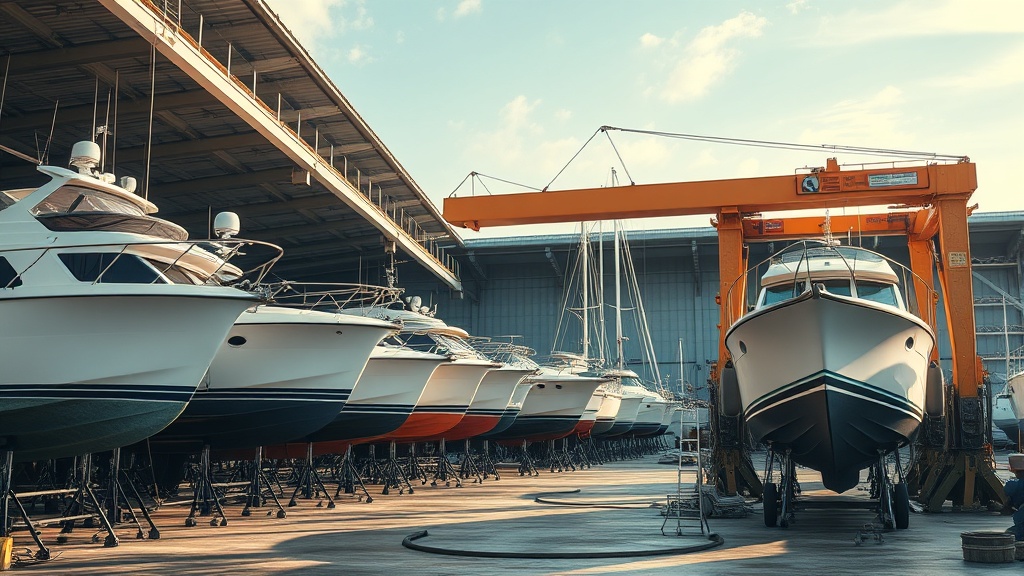
Dry-stack buildings concentrate enormous value under one roof. A tall steel rack system holding dozens or hundreds of boats is vulnerable to wind uplift and structural failure, and a collapse damages not only the building but every vessel inside it. That aggregation of value is exactly why dry-stack facilities need both strong property limits on the building and adequate MOLL limits on the customer boats it holds. Engineered, code-compliant racks and buildings rated for high wind loads dramatically reduce this risk.
Travel Lifts and Haul-Out Equipment
Your travel lift is a high-value, hard-to-replace asset, and it's most exposed when boats are being hauled ahead of a storm. Lift operations spike right before landfall as customers rush to get vessels out of the water, and that's precisely when accidents happen. Make sure your equipment is insured to current value and that your storm plan accounts for the surge in haul-out demand.
Building a Hurricane Preparedness Plan
A written, practiced hurricane plan is your single best tool for reducing storm losses — and it's something underwriters specifically look for. A strong plan includes:
- A named-storm trigger and timeline that defines what actions happen at each forecast stage
- Clear assignment of who hauls boats, who secures docks, and who shuts down the fuel dock
- Haul-out priorities so the most valuable and most vulnerable vessels come out first
- Extra storm lines, chafe gear, and fender protocols for boats that must stay in the water
- Securing or removing loose equipment, gangways, and dock boxes that become projectiles
- Fuel system shutdown and spill-prevention steps before the storm arrives
- Customer communication so owners know their responsibilities and deadlines
- A post-storm damage assessment and documentation procedure for fast claims
How Risk Management Lowers Your Premium
Marine underwriters price catastrophe risk heavily, but they also reward operators who actively manage it. Facilities that can demonstrate a documented hurricane plan, engineered storm-rated structures, a strong maintenance record, and a clean loss history consistently earn better terms — lower rates, more favorable deductibles, and more carriers willing to compete for the account. In a hard catastrophe market, those risk controls can be the difference between getting quoted at all and being unable to find coverage.
The investment runs both ways: every dollar you put into stronger docks, code-compliant dry-stack buildings, and a practiced storm plan reduces both your real-world losses and your long-term cost of insurance.
Be Ready Before the Next Storm
Storm and catastrophe loss is the defining exposure for coastal marinas, and it's not a matter of if but when. The right combination of properly valued dock and property coverage, a clear understanding of your named-storm deductible, and a documented preparedness plan is what keeps a hurricane from ending your business.
Contractors Choice Agency specializes in marina and boatyard catastrophe coverage and is licensed in all 50 states. Call us at 844-967-5247 or complete our online quote form, and we'll review your storm exposure, structure your dock and property program, and help you walk into hurricane season prepared.